
How PEF (Pulsed Electric Field) can contribute to a more sustainable food system
In what way can pulsed electric field treatment contribute to a more sustainable food processing system?
Preliminary results have shown how CEPT® could be a reliable technology in winemaking.
Scientific studies have shown that PEF treatment has a significant effect (increased yield, reduced MT, enhanced AC, CI, and TPI).
During harvest season 2020, OptiCept has established a scientific protocol to test a CEPT® unit model at the site of Peche Rouche at INRAE.
The National Institute for Agricultural Research, Food and Environment (INSTITUT NATIONAL DE RECHERCHE POUR L’AGRICULTURE, L’ALIMENTATION ET L’ENVIRONNEMENT) – Centre Occitane Montpellier – France.
The INRAE is one of the most worldwide recognized and respected institutes for oenological applications.
The objective of the trials has been to test the impact of pulsed electric fields on extraction, press yields, and microbiological concentration in must and relative vinification as the quality of finished products.
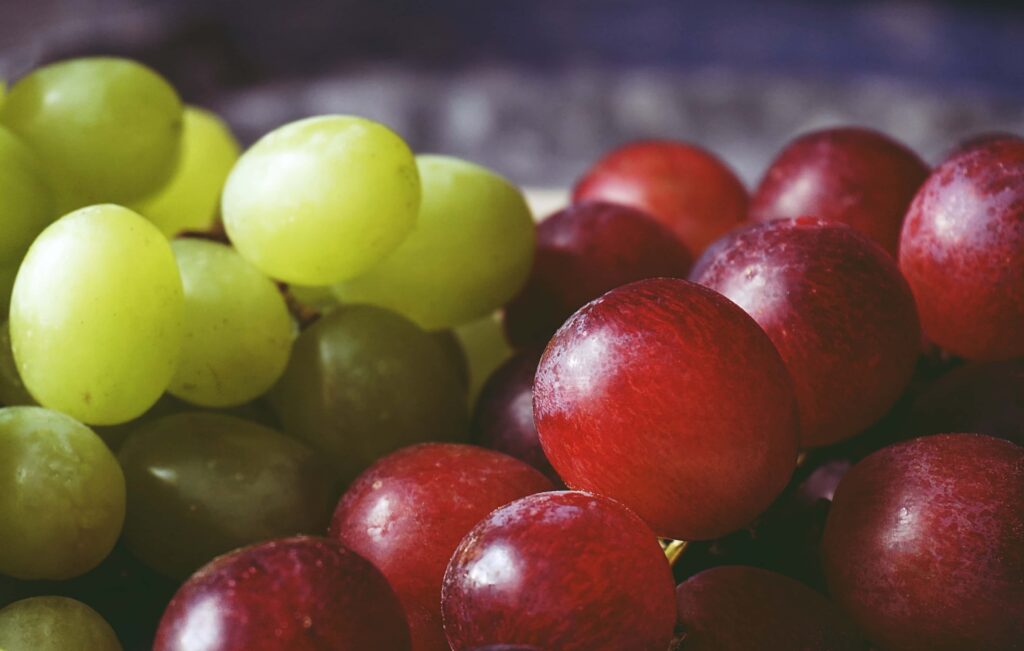
White winemaking process trials were carried out by a traditional hydraulic soft press from a prominent supplier. Two varieties, Chardonnay and Sauvignon, were compared.
Red winemaking process trials were carried out on two varieties Merlot and Syrah, through 4 different processes:
For CEPT®, a commercial unit OPTICEPT® L6 at 4 KWH was installed during the harvest season setting process parameters at 16 kJ/kg with a throughput of 600 kg/h of the must.
Preliminary results show how CEPT® could be a reliable technology in winemaking. A detailed scientific report will be published at the end of the laboratory analysis.
In general, there has not been an impact on sugar concentration, pH, total acidity, and nitrogen (slight improvement), but CEPT® can increase the total polyphenol index and anthocyanins. The stability studies after six months from bottling will confirm the benefit of such technology on color improvements and aroma enhancement, also comparing the varietal with fermentative flavors.
“CEPT® at the power selected has reduced the microbiological flora, overall acetic bacteria, compared to lactic bacteria and yeast”
CEPT® at the power selected has reduced the microbiological flora, and overall acetic bacteria, compared to lactic bacteria and yeast. Increasing the energy treatment it is foreseen the possibility to control alcoholic fermentation by a reduced content of added sulfites, thus a more sustainable and ecological enology.
The next planned step is to seek cooperation with suitable wine producers for in-depth pilot tests, preferably with a start in the southern hemisphere. Even a winemaker in the Swedish dawn market could be of interest.

In what way can pulsed electric field treatment contribute to a more sustainable food processing system?

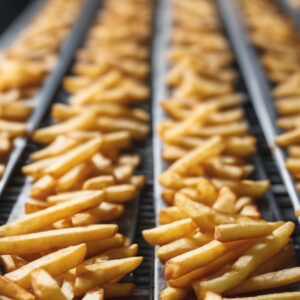
OptiCept Technologies, in collaboration with FPS Food Process Solutions, is proud to launch the new S7 PEF system for solid food products such as potatoes and dehydration of fruit and vegetables.

OptiCepts PEF technology can be applied on a wide range of commodities.